Drain Cleaning in Wheeling & the Northwest Chicago Suburbs
Slow drains, gurgling pipes, or a backed-up sewer line? Our licensed plumbers clear kitchen, bathroom, and main line clogs using the right tool for the job — from cable snaking to hydro jetting.
Signs You Have a Clogged Drain
Drains rarely block all at once — most clogs build up gradually as grease, soap residue, hair, food particles, and mineral scale narrow the inside of the pipe. Recognizing the early warning signs gives you a chance to get a drain cleaned before it fails completely, often at a lower cost and with far less mess than an active backup.
- ▶
Water draining slowly from a sink, tub, or shower — even after you've tried a plunger.
- ▶
Gurgling sounds coming from a drain or toilet when another fixture is used.
- ▶
A persistent foul odor rising from a sink, floor drain, or tub drain.
- ▶
Water backing up into a different fixture — for example, the shower fills when you run the washing machine.
- ▶
Frequent clogs in the same drain, even shortly after you've cleared it yourself.
- ▶
Standing water around a floor drain in the basement or utility room.
Where Clogs Happen — And Why
🍽️ Kitchen Sink & Drain Clogs
Kitchen drains take the heaviest abuse in the house. Cooking grease and oil coat the inside of the pipe and slowly harden as they cool, trapping food particles, coffee grounds, and produce stickers until the line narrows to almost nothing. A garbage disposal can make the problem worse if it's used to grind fibrous scraps that don't break down cleanly. Kitchen clogs usually respond well to snaking, though a heavily grease-lined pipe sometimes needs hydro jetting to fully restore flow rather than just punch a hole through the blockage.
🚽 Bathroom Sink, Tub & Toilet Clogs
Bathroom drains are most often blocked by hair, soap scum, and mineral buildup from hard water, which combine into a dense mass that clings to the pipe wall. Toilets can clog from too much toilet paper, wipes labeled "flushable" (which generally aren't safe for older pipes), or small objects that fall in accidentally. Most bathroom clogs are localized to a single fixture and can be cleared quickly with a drain snake once we've confirmed exactly where the blockage sits.
🏚️ Main Sewer Line Clogs
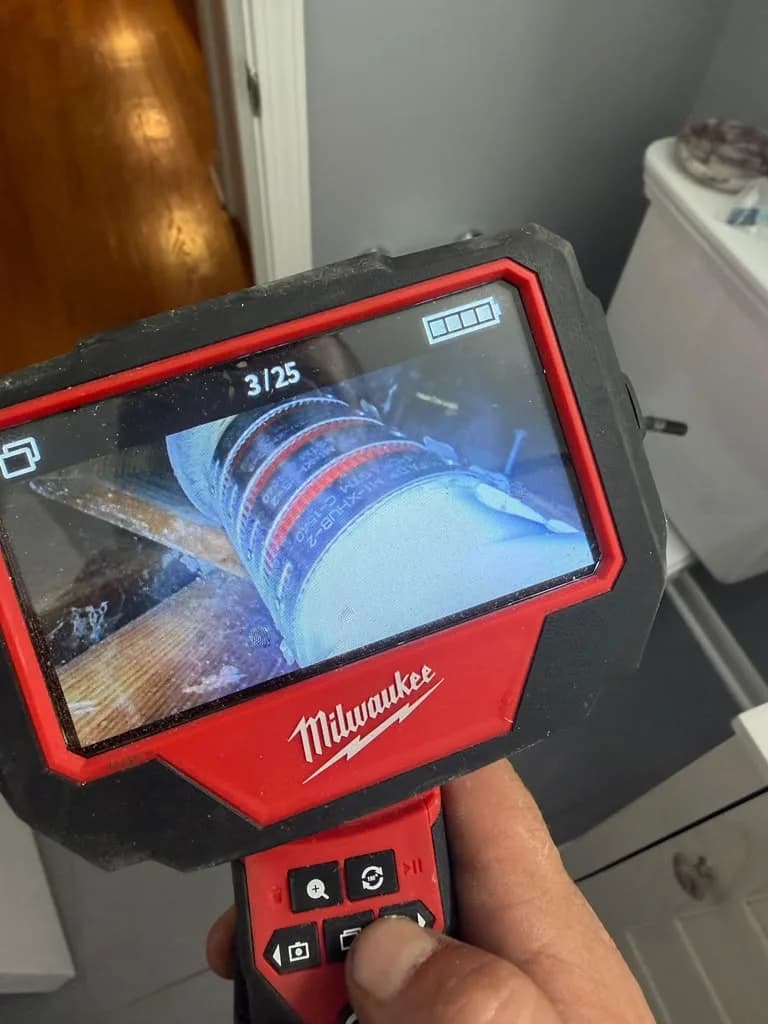
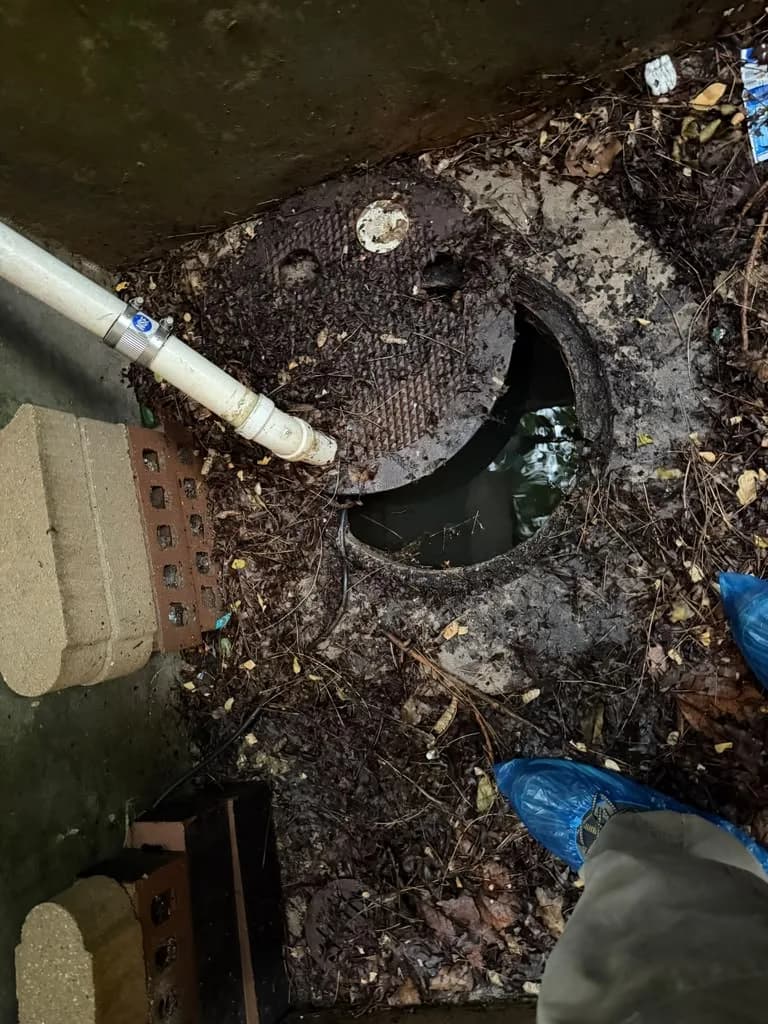
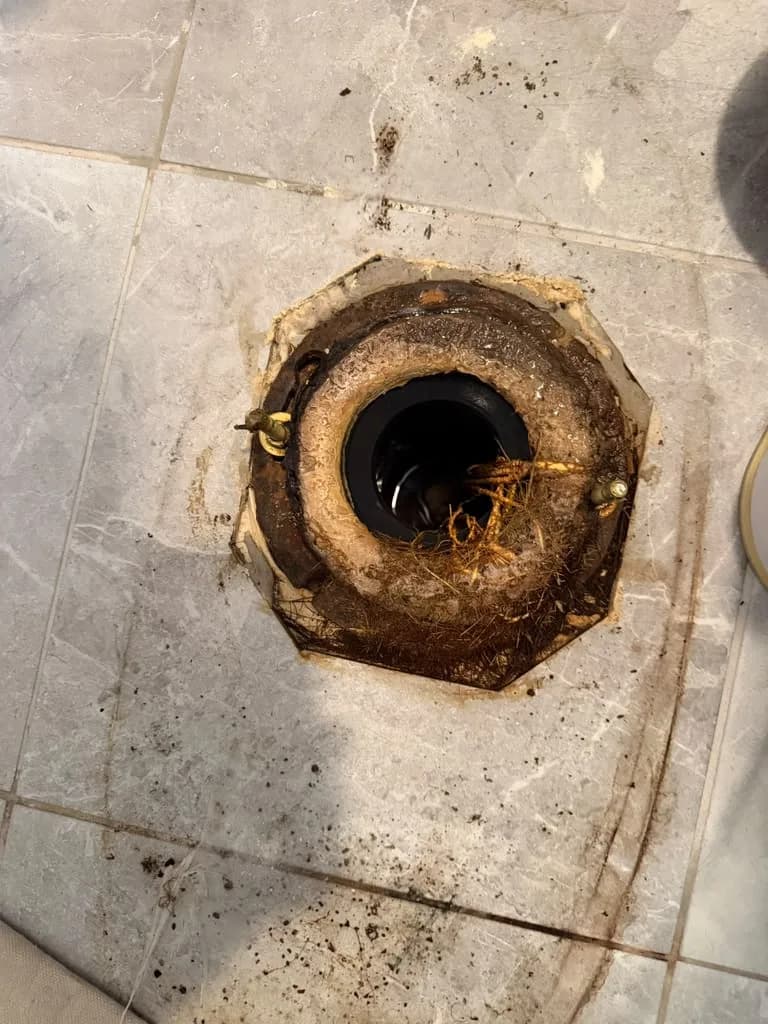
A main line clog is more serious because it affects every drain connected to it — sinks, tubs, toilets, and floor drains can all back up at once. In the northwest suburbs, older clay and cast-iron sewer lines are especially vulnerable to tree root intrusion, where roots seek out tiny cracks or joints and grow into the pipe, and to age-related collapse or offset joints. Main line issues typically call for hydro jetting or a camera inspection to identify exactly what's causing the blockage before it's cleared.
Snaking vs. Hydro Jetting: Which Do You Need?
Both methods clear clogs, but they work differently and suit different situations. Our plumbers inspect the drain first and recommend whichever approach actually solves the problem — not just the fastest fix.
🔧 Drain Snaking
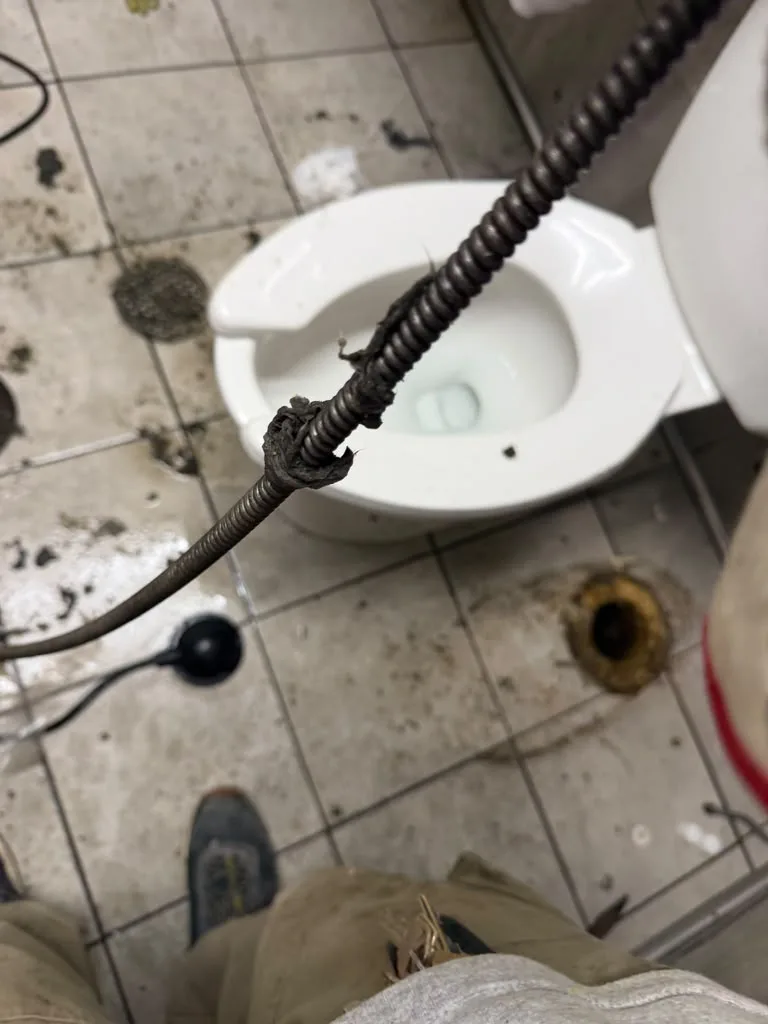
A motorized cable with a cutting or hooking head is fed down the pipe to break apart or pull out a clog at its location. It's a fast, targeted fix for a single blocked fixture and is usually the first tool we reach for.
- • Best for localized, single-fixture clogs
- • Faster for straightforward blockages
- • Clears the immediate obstruction
💦 Hydro Jetting
A high-pressure water stream scours the full interior wall of the pipe, removing grease, scale, sludge, and root intrusion along the entire line rather than a single spot.
- • Best for grease buildup and root intrusion
- • Cleans the full length of the pipe
- • Often paired with a camera inspection
When Is a Clogged Drain an Emergency?
Most clogged drains can wait for a scheduled appointment. A few situations, however, call for immediate attention:
- ▶
Sewage or wastewater is backing up into a sink, tub, or floor drain.
- ▶
More than one drain in the house is blocked at the same time — a sign the problem is in the main line, not a single fixture.
- ▶
A toilet is overflowing and won't stop, or water is rising instead of draining after a flush.
- ▶
You notice a sewer gas smell indoors, which can indicate a blocked or damaged vent or drain line.
If you're seeing any of these signs, don't wait.
A widespread backup can mean wastewater sitting in your home, which gets worse — and more expensive to clean up — the longer it's left alone.
📞 Call (224) 875-4942Drain Cleaning Job Site Photos
Real photos from our drain and sewer cleaning calls. See more of our work →
Drain Cleaning Service Areas
We provide drain and sewer cleaning throughout the northwest Chicago suburbs, including:
Get a Free Drain Cleaning Quote
Tell us what's going on and we'll get back to you promptly with an honest estimate.
Drain Cleaning FAQ
What are the first signs I need a drain cleaning?
Slow-draining water, gurgling noises from pipes, recurring clogs, and unpleasant odors near a drain are the most common early warning signs. Catching these signs before a drain fully blocks usually means a faster, simpler service call.
What's the difference between drain snaking and hydro jetting?
Snaking uses a flexible cable with a rotating head to break up or hook a localized clog and pull it free — it's fast and effective for most single-fixture blockages. Hydro jetting uses a high-pressure water stream to scour the entire interior wall of the pipe, removing grease, scale, and root intrusion along the full length of the line rather than just punching through one blockage. Our plumber will recommend the right method after inspecting the drain.
How often should drains be professionally cleaned?
It depends on the age of your plumbing, what goes down your drains, and whether you've had recurring clog issues in the past. Homes with older cast-iron or clay sewer lines, or kitchens that see heavy grease and food waste, generally benefit from more frequent attention than newer construction.
Should I use a store-bought chemical drain cleaner first?
We generally advise against relying on chemical drain cleaners. They can damage older pipes, react poorly with other plumbing materials, and often only clear part of a clog — masking a bigger problem that returns soon after. A plumber can safely diagnose and physically remove the blockage instead.
How do I know if a clogged drain is a plumbing emergency?
Treat it as an emergency if sewage or wastewater is backing up into your home, multiple drains are blocked at once, a toilet won't stop overflowing, or you smell sewer gas indoors. A single slow drain is usually not an emergency, but a widespread backup can indicate a main line problem that needs prompt attention.
Have a different question?
📞 Call Us — (224) 875-4942